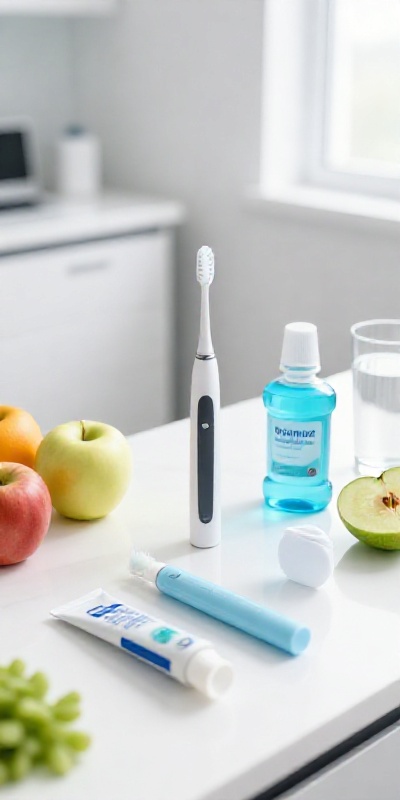
Why Daily Oral Hygiene Matters More Than You Realise
Your mouth is the gateway to your body. The World Health Organization estimates that nearly 3.5 billion people worldwide suffer from some form of oral disease, and most of these conditions — cavities, gum disease, and even oral cancers — are largely preventable with consistent, correct home care (WHO, 2025). In India, dental caries remains the most common chronic disease, affecting over 60% of school children and a majority of adults, according to the National Oral Health Survey.
At The Crown Multispeciality Dental Clinic, Kanpur, we meet patients every day who brush daily yet still develop cavities, bleeding gums, or sensitivity. The reason is almost always the same: technique, frequency, and follow-through. This guide distills 10 essential oral hygiene tips drawn from years of endodontic and aesthetic practice — actionable, simple, and tailored to the way we actually live in Kanpur. Whether you are a college student, a working professional, a parent, or a senior, these healthy teeth tips will help you build a routine that actually works.
“A two-minute investment, twice a day, is the single most powerful thing you can do for your teeth. Everything else — from fillings to implants — exists because that habit was missing.”
— Dr. Priyanka Chaturvedi, Endodontist & Aesthetic Dentist
At a Glance: Your Daily Oral Care Scorecard
Before we dive deep, here is a quick overview of the 10 pillars of excellent oral care. Use this table as a checklist, then read the detailed chapters below for the science and the “how.”
| # | Habit | Frequency | Impact Level |
|---|---|---|---|
| 01 | Brush correctly with fluoride toothpaste | 2× daily, 2 min | ★★★★★ Critical |
| 02 | Floss or interdental clean | 1× daily | ★★★★★ Critical |
| 03 | Right toothpaste & mouthwash | Daily | ★★★★ High |
| 04 | Watch diet — sugar & acid | Ongoing | ★★★★ High |
| 05 | Stay hydrated with water | 8+ glasses / day | ★★★★ High |
| 06 | Don’t ignore bleeding gums | Address immediately | ★★★★★ Critical |
| 07 | Replace toothbrush every 3 months | Every 90 days | ★★★★ High |
| 08 | Protect teeth during sports/sleep | As needed | ★★★★ High |
| 09 | Quit tobacco, limit alcohol | Lifestyle change | ★★★★★ Critical |
| 10 | Visit your dentist every 6 months | Twice a year | ★★★★★ Critical |
The 10 Essential Oral Hygiene Tips — Explained
1 Brushing Technique Matters More Than You Think
Most people who brush twice a day are still doing it wrong. The American Dental Association recommends brushing for two full minutes, twice a day — but the average person brushes for only 45–60 seconds. Two minutes sounds short, but it is long enough to feel boring, which is why most people short-change themselves.
The correct technique is small, gentle, circular motions angled at 45° toward the gumline — not the aggressive horizontal scrubbing that most of us were taught. Scrubbing wears away enamel and pushes bacteria under the gum, causing recession. Hold the brush like a pen, not a knife. Use fluoride toothpaste (more on that in Tip 3) and remember to brush your tongue — it carries up to 70% of the bacteria responsible for bad breath.
Electric vs manual? A Cochrane review of 56 trials found that electric toothbrushes (oscillating-rotating type) reduce plaque by 21% and gingivitis by 11% compared to manual brushes over three months. But the best toothbrush is the one you will use correctly and consistently. A ₹150 manual brush used perfectly beats a ₹15,000 electric brush used lazily.
When to replace: every 3 months, after any viral illness (cold, flu, throat infection), or as soon as the bristles start to fray. A worn brush is essentially a polishing tool — it cannot clean.
Pro Tip from The Crown Dental: Divide your mouth into four quadrants and spend 30 seconds on each. Use a timer or play a two-minute song — patients who do this consistently report dramatically fresher check-ups.
2 Don’t Skip Flossing — It Is Non-Negotiable
Your toothbrush cleans only about 60% of the tooth surface. The remaining 40% — the tight spaces between teeth and just under the gumline — is where cavities and gum disease almost always start. A 5-year study published in the Journal of Dental Research found that older adults who flossed daily had significantly less periodontal disease, fewer cavities, and lost fewer teeth than non-flossers (PMC, 2020).
Correct flossing technique: take about 45 cm of floss, wind most around the middle finger of one hand and the rest on the other. Hold it taut between thumbs and forefingers. Gently slide it between the teeth in a C-shape, hugging the side of each tooth, and move it up and down a few times — do not snap it down onto the gum, which causes cuts and bleeding.
Struggle with traditional floss? You are not alone — and there is no shame in using alternatives. Water flossers (Waterpik-style devices) have been clinically shown to be as effective as string floss for reducing bleeding and gingivitis, especially for people with braces, implants, bridges, or arthritis. Interdental brushes (tiny bottle-brush-shaped tools) are excellent for wider gaps. Pick the tool you will actually use.
- ✓ Once a day, every day — preferably before brushing at night so debris loosened by flossing gets cleared away.
- ✓ Be gentle — bleeding when you first start is normal and usually stops within 5–7 days.
- ✓ Don’t reuse a section of floss — you are simply moving bacteria from one gap to another.
3 Choose the Right Toothpaste and Mouthwash
Not all toothpastes are the same. The single most important ingredient to look for is fluoride — a mineral that remineralises enamel and makes teeth resistant to acid attacks. The WHO has called fluoride “one of the most successful public health interventions of the 20th century” because community water fluoridation alone has been shown to reduce cavities by 25% in children and adults (WHO, 2025).
Beyond fluoride, there are condition-specific toothpastes: anti-sensitivity (containing potassium nitrate or stannous fluoride), whitening (which uses mild abrasives or chemical agents), gum care (with antibacterial ingredients like triclosan alternatives), and charcoal-based pastes. For most adults, a standard fluoride toothpaste (1,000–1,500 ppm fluoride) is the right choice. Children under 6 should use a pea-sized amount of low-fluoride kids’ toothpaste.
Mouthwash is an adjunct, not a replacement. There are two broad categories: therapeutic mouthwashes (containing active ingredients like chlorhexidine, cetylpyridinium chloride, or essential oils) which actually reduce bacteria, and cosmetic mouthwashes which only freshen breath temporarily. For most people, an alcohol-free, fluoride-containing mouthwash used once a day is plenty. Long-term daily use of chlorhexidine is not recommended without professional supervision as it can stain teeth over time.
4 Watch What You Eat and Drink
Every time you eat sugar, the bacteria in plaque (especially Streptococcus mutans) convert it into acid within minutes. This acid attack lasts roughly 20–30 minutes after each exposure and softens enamel. If you sip a sugary chai or snack on biscuits throughout the day, your teeth are under continuous acid assault, with no chance to recover. Limiting frequency matters more than the total quantity of sugar.
Common culprits in Indian diets: sweetened chai with multiple refills, packaged biscuits, mithai, soft drinks, fruit juices marketed as “healthy,” and even excess honey. Acidic drinks like cola, lemon soda, sports drinks, and packaged fruit juices erode enamel directly — they do not even need bacteria to cause damage.
Coffee, tea, and paan are the most common stain-causers we see in our Kanpur clinic. The tannins in tea and coffee, and the catechus in paan and gutka, bind to enamel and darken it over time. None of these are reasons to quit entirely — but rinsing with water right after, using a straw for cold drinks, and getting a professional cleaning every six months will keep staining in check.
The good news: crunchy fruits and raw vegetables — apples, carrots, cucumber, celery, guava — act as natural toothbrushes. Their fibrous texture mechanically scrubs plaque off teeth, and they stimulate saliva flow. Dairy products like cheese and curd are also excellent for teeth: they are rich in calcium, phosphates, and casein, which protect and remineralise enamel.
Sugar & Acid Exposure — Visualised
Each snack or sugary drink resets the “acid attack clock” in your mouth. Compare two routines:
Routine A eats 3 sugary items spread across the day. Routine B eats them all at once. Same total sugar — but vastly different enamel damage.
5 Stay Hydrated for Better Oral Health
Water is the single best drink for your teeth — and it costs you nothing. Saliva is your mouth’s natural defence system: it neutralises acids, washes away food particles, remineralises enamel with calcium and phosphate, and contains antimicrobial compounds. When you are dehydrated, saliva flow drops, the pH inside your mouth falls, and you enter a state called xerostomia (dry mouth) — a major risk factor for rapid tooth decay, fungal infections, and bad breath.
Aim for 8–10 glasses of plain water a day, more if you are in Kanpur’s summer heat, exercise regularly, or consume salty/spicy food. A simple habit: finish every meal with a small glass of water. It rinses the mouth, dilutes acids, and helps digestion.
Caution on lemon water: while warm lemon water is popular as a “detox” drink, the citric acid in lemon has a pH of around 2–3, which is harsh on enamel. If you drink it, use a straw, do not swish, wait at least 30 minutes before brushing, and rinse with plain water afterwards.
6 Don’t Ignore Bleeding Gums
If your gums bleed when you brush or floss, that is not normal. It is the earliest sign of gingivitis — inflammation caused by plaque accumulating at the gumline. According to the CDC, nearly half of all adults over 30 in India show signs of gum disease, and the prevalence climbs steeply with age.
Left untreated, gingivitis progresses to periodontitis, where the infection damages the bone that holds your teeth in place. The signs to watch for: red or purple gums, swelling, bleeding on brushing, persistent bad breath, gums pulling away from the teeth (recession), loose teeth, and pus between teeth and gums.
The good news: gingivitis is reversible. A professional cleaning at The Crown Dental, combined with diligent home care, typically clears it within 2–3 weeks. The longer you wait, the more complex the treatment becomes.
Important — the heart connection: research over the last two decades has firmly linked periodontitis with cardiovascular disease. The chronic inflammation in the mouth is thought to drive inflammation in the arteries, raising the risk of heart attack and stroke. Mayo Clinic and the American Heart Association have both highlighted that treating gum disease can improve markers of cardiovascular health. In other words: caring for your gums is caring for your heart.
7 Replace Your Toothbrush Regularly
A toothbrush is a tool with a lifespan. The ADA recommends replacing it every 3 months, or sooner if the bristles are frayed. Worn bristles do not clean effectively — they bend away from the tooth surface and can even damage gums.
Replace your brush immediately after:
- ✓ Any viral illness — cold, flu, sore throat, COVID-19
- ✓ Visible fraying, bending, or matting of bristles
- ✓ After a dental cleaning or filling where you have used a new brush head
Storage tips: store upright in a holder, away from the toilet (aerosolised bacteria can travel up to 6 feet during flushing), and let it air-dry between uses. Do not share brushes, even with family. For electric brushes, replace the head every 3 months just like a manual brush.
8 Protect Your Teeth During Sports and Sleep
Dental injuries are among the most common sports injuries, especially in contact sports like cricket, kabaddi, football, and basketball. A custom-fitted mouthguard reduces the risk of tooth fracture, lip laceration, and even concussion by absorbing impact. Over-the-counter “boil-and-bite” mouthguards offer some protection but are bulky, ill-fitting, and can interfere with breathing and speech.
At The Crown Dental, we fabricate custom mouthguards in our in-house lab using precise impressions of your teeth — comfortable, breathable, and far more protective than generic alternatives. The cost is modest compared to the cost of a single knocked-out tooth.
Night guards for grinders: if you wake up with a sore jaw, headaches, or worn-down teeth, you may be bruxism — grinding or clenching your teeth at sleep. A custom night guard protects your teeth, your jaw joint (TMJ), and the muscles of your face. Generic drugstore guards are too soft — they can actually worsen grinding by signalling the brain to chew more.
9 Quit Smoking and Limit Alcohol
Tobacco in any form — cigarettes, bidi, gutka, khaini, zarda, paan with tobacco, hookah, e-cigarettes — is the single biggest avoidable risk factor for oral cancer. India accounts for nearly one-third of the global oral cancer burden, with over 1.3 lakh new cases diagnosed every year, and tobacco is implicated in 80–90% of them (Indian Council of Medical Research data).
Beyond cancer, smoking causes severe gum disease (because it constricts blood vessels and hides the warning signs of bleeding), stubborn staining, halitosis (bad breath), delayed healing after extractions or surgery, and accelerated bone loss around teeth. Quitting — at any age, after any number of years — reverses much of this risk.
Alcohol in excess dries out the mouth, erodes enamel, and compounds the cancer risk of tobacco. Moderate, occasional consumption is fine for most adults; daily heavy drinking is not.
10 Visit Your Dentist Every 6 Months
Even with perfect home care, plaque hardens into calculus (tartar) in places your brush and floss cannot reach. A professional cleaning every 6 months removes this, polishes away surface stains, and gives your dentist a chance to spot trouble early. A small cavity caught at a check-up costs a fraction of what a root canal or implant costs years later.
At your visit, expect: a full examination of teeth, gums, bite, and existing restorations; an oral cancer screening (we check your lips, tongue, cheeks, palate, and throat for any abnormal patches or lumps); bitewing X-rays once a year to spot decay between teeth; and a personalised review of your home routine. Children, diabetics, pregnant women, smokers, and people with existing gum disease may need more frequent recalls.
What a 6-Monthly Check-Up Prevents
Average cost difference (India, indicative) between early intervention and late-stage treatment:
“Your teeth are meant to last a lifetime. Every one of these 10 steps is small. Together, they are unbeatable. Prevention is not just cheaper than cure — it is kinder, faster, and almost always painless.”
— Dr. Priyanka Chaturvedi, The Crown Dental, Kanpur
Conclusion: Prevention Is Always Better — and Cheaper — Than Cure
Good oral hygiene tips are not glamorous. They will not make it to your Instagram reel. But the simple acts — brushing twice daily for two minutes, flossing once, drinking water, eating whole foods, quitting tobacco, and seeing your dentist every six months — are the only proven path to keeping your natural teeth for life. The science is overwhelming, the cost of prevention is minimal, and the cost of neglect is enormous.
At The Crown Multispeciality Dental Clinic, Kanpur, we believe dental care Kanpur families deserve should be evidence-based, transparent, and gentle. Whether you need a routine cleaning, a smile design consultation, an endodontic treatment, or simply want someone to check whether your child’s brushing is on track — we are here.
Quick Reference: Key Takeaways
- ✓ Brush 2× daily for 2 minutes with fluoride toothpaste using gentle circular motions.
- ✓ Floss (or use a water flosser) every night before brushing.
- ✓ Choose the right toothpaste and an alcohol-free therapeutic mouthwash.
- ✓ Limit snacking, sugary chai, and acidic drinks; choose water and crunchy vegetables.
- ✓ Drink 8–10 glasses of water daily; rinse after every meal.
- ✓ Never ignore bleeding gums — book an appointment promptly.
- ✓ Replace your toothbrush every 3 months and after every illness.
- ✓ Wear a custom mouthguard for sports, a night guard if you grind.
- ✓ Quit tobacco in all forms and limit alcohol.
- ✓ Visit your dentist every 6 months for a check-up and professional cleaning.
Related Articles

Wisdom Tooth Removal in Kanpur: When You Need It and What to Expect
Wisdom Teeth • 8 min readWisdom Tooth Removal in Kanpur: When You Need It and What to ExpectBy…
Wisdom Teeth
Braces and Clear Aligners in Kanpur: Complete 2025 Guide
★ The Crown Multispeciality Dental Clinic Braces and Clear Aligners in Kanpur: Which Orthodontic Treatment is Right for…
Orthodontics & Braces
Professional Teeth Whitening in Kanpur: Complete 2025 Guide
★ The Crown Dental · Kanpur Professional Teeth Whitening in Kanpur: Your Complete Guide to a Brighter Smile…
Teeth Whitening